Curious what day-to-day life in Ellicott City really looks like? You might have heard about the historic Main Street, the strong public school system, and easy access to major highways. You want a clear picture, not a sales pitch. In this guide, you will learn how the area is laid out, how schools and commutes work, what to expect from amenities, and what to watch for in your home search.
Let’s dive in.
Why Ellicott City appeals
Ellicott City blends a walkable historic downtown with quiet suburban neighborhoods and semi-rural edges. You get proximity to Baltimore and the I-95 corridor along with green space and trail access. Many residents value the area’s parks and the public school system administered by the Howard County Public School System.
The community also has a unique setting along the Patapsco River. That setting creates charm and recreation options, and it also means you should evaluate flood risk carefully if you are considering homes near the river or its tributaries.
Neighborhoods at a glance
Ellicott City covers a wide area with different lifestyles by subarea. Local names can vary, so use property maps and on-the-ground tours to confirm boundaries.
Historic Downtown (Old Ellicott City)
- Character: 18th and 19th century stone buildings, independent shops, galleries, cafes, and seasonal events. Walkability is highest within downtown.
- Housing: Historic rowhouses, cottages, and small-lot homes. Many structures are older and some lie near mapped flood zones.
- Considerations: Cultural energy and walk-to-dining, but flood risk is a material factor for properties close to the Patapsco and side streams. Verify elevation, prior flood history, and insurance needs.
North and Northwest Ellicott City
- Character: Primarily late 20th century suburban neighborhoods with pockets of larger lots and established tree cover.
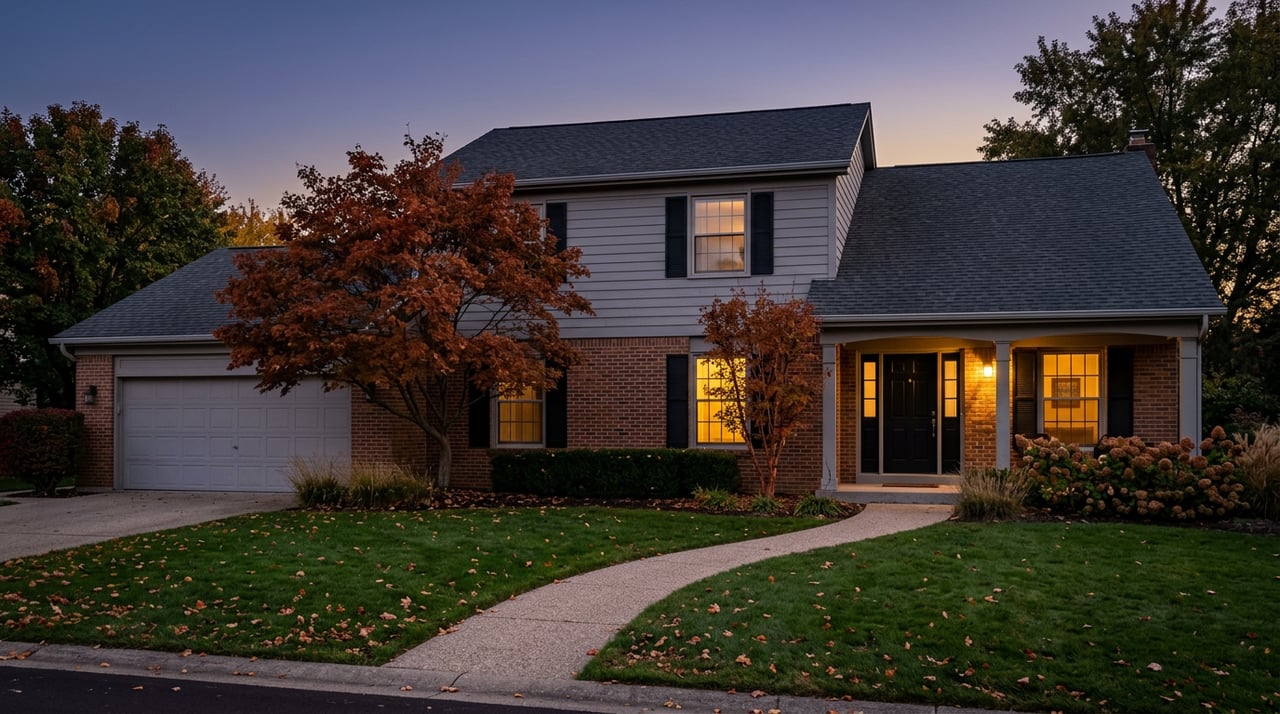
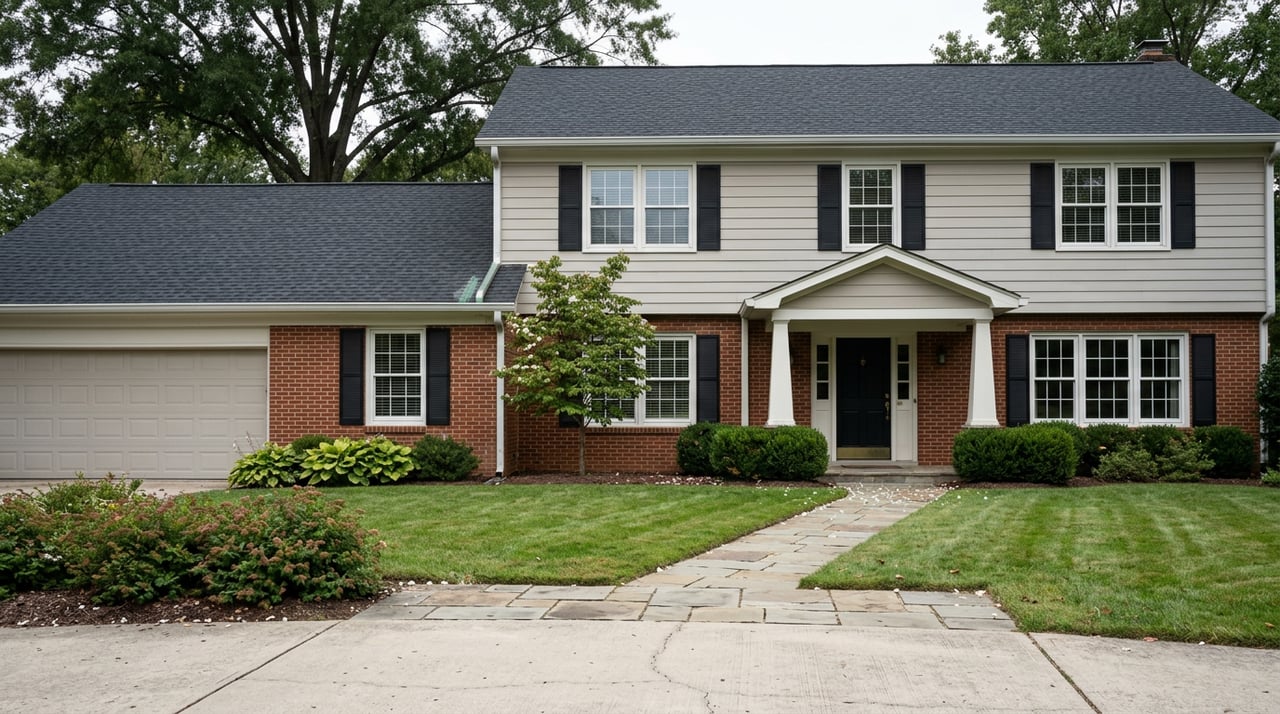
- Housing: Mostly single-family homes with yards, plus some townhome clusters and newer infill.
- Considerations: Quieter feel than downtown, address-specific public school assignments through HCPSS. Driving remains the main way to get around.
South and Southeast (toward Elkridge/Ilchester)
- Character: Suburban communities near commercial corridors, with quicker access to MD-100 and I-95.
- Housing: Mix of townhomes and single-family subdivisions, including some newer developments.
- Considerations: Good for commuters who want faster highway access. Walkability varies by neighborhood.
West and Outlying Areas (Turf Valley, Glenwood vicinity)
- Character: Lower density, planned communities, golf and resort-style amenities, and semi-rural pockets near county lines.
- Housing: Larger-lot homes, newer single-family developments, and master-planned or gated communities.
- Considerations: More space and privacy, longer drives to downtown shops and some schools.
Schools and education
Public schools in Ellicott City are part of the Howard County Public School System. HCPSS is frequently cited as a strong district in Maryland. School assignment is address-specific and boundaries can change, so always verify for the exact property you are considering.
How to evaluate school fit:
- Use HCPSS resources to confirm attendance boundaries for your address and to review school profiles.
- Look into program options such as magnet-type programs or career academies. Availability varies by school and year.
- Review metrics like statewide test scores, graduation rates, AP or IB offerings, class sizes, and extracurriculars through HCPSS and state education pages.
There are also private and parochial options in Howard County and nearby areas. For adult learning, community colleges and four-year institutions in the region provide continuing-education programs.
Commuting and getting around
Most residents drive. Key roads include MD-100, US-40, US-29, I-70, I-95, and MD-32, with routes depending on your destination. Peak-hour congestion can be significant, so test your commute during the times you plan to travel.
Direct heavy rail service does not run through central Ellicott City. Some residents use regional buses or park-and-ride connections to MARC or other commuter services in adjacent areas. For air travel, Baltimore/Washington International Thurgood Marshall Airport is usually a 20 to 45 minute drive depending on traffic and starting point.
Walkability is strongest downtown. Many suburban neighborhoods require a car for errands, though multi-use trails and nearby Patapsco Valley State Park offer great options for recreation.
Everyday life and amenities
You will find a mix of local and national retail. Historic Main Street offers indie shops, restaurants, breweries, galleries, and seasonal festivals. Larger grocery stores and big-box retail line major corridors outside downtown.
For outdoor time, Patapsco Valley State Park is a regional standout. You can hike, bike, picnic, or explore river access points. To plan trails and visits, check the Maryland Department of Natural Resources for park information. County parks, neighborhood green spaces, and community recreation programs support youth sports and activities.
Healthcare is accessible through local primary care and specialty clinics, with larger hospitals in nearby Columbia and Baltimore suburbs. The Howard County Library System and area colleges offer classes, events, and research resources.
Key buying and selling considerations
Ellicott City’s market reflects its mix of historic and suburban housing. Demand often centers on school access, commutability to Baltimore and the DC corridor, and lifestyle features like downtown walkability and park access.
- Historic homes downtown: High character and proximity to shops, with trade-offs such as older systems, smaller lots, and potential flood exposure.
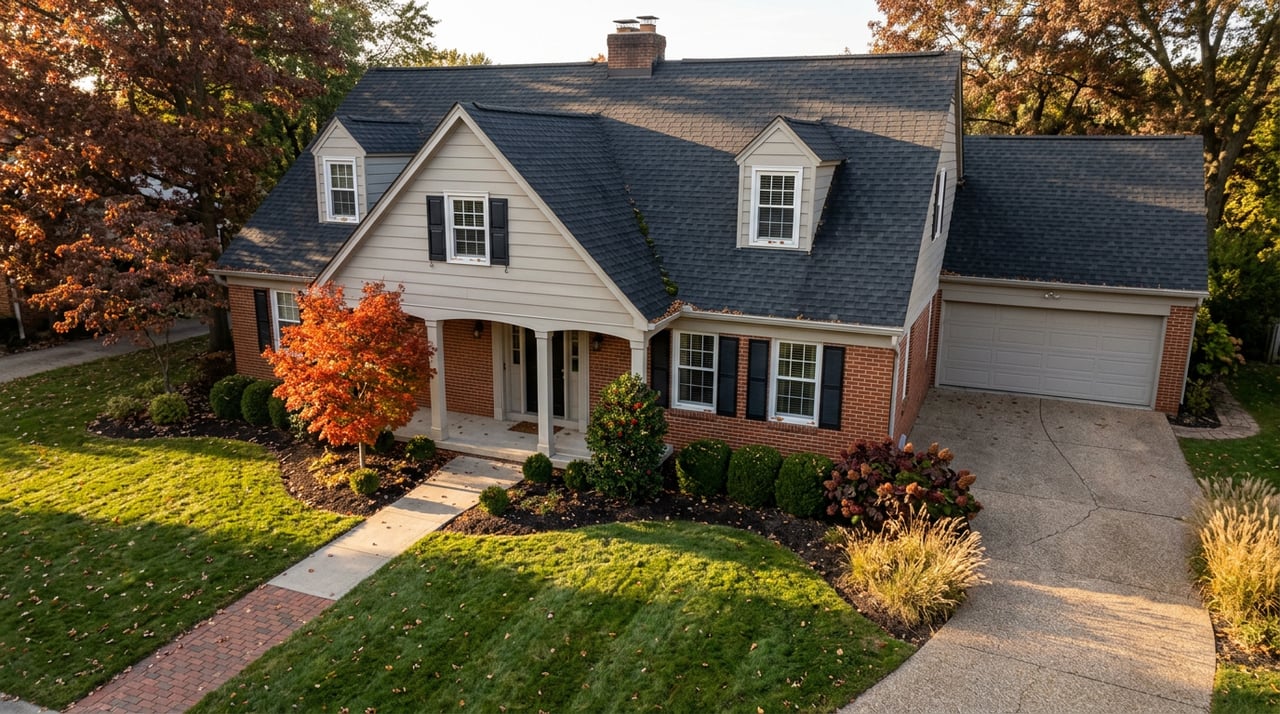
- Suburban single-family homes and newer townhomes: Yard space and neighborhood amenities are common draws for many buyers.
Flood risk and due diligence
Flood risk is a material issue near the Patapsco and its tributaries. Historic downtown experienced major flash floods in 2016 and 2018. Treat risk evaluation as a core step in your search.
Action steps to assess flood exposure:
- Review FEMA designations via the FEMA Flood Map Service Center and check Howard County planning updates and mitigation projects through the Howard County Government.
- Ask for elevation certificates, prior flood or water intrusion history, and documentation of mitigation work such as floodproofing or HVAC relocation.
- Consult your lender and insurance provider to understand flood insurance requirements and options in the federal or private markets. For regional storm and flood guidance, see the National Weather Service and the Maryland Department of the Environment.
Property taxes, HOAs, and maintenance
Your monthly housing cost includes more than your mortgage. Factor in:
- Howard County property taxes and any special district charges.
- HOA or condo fees in planned communities, along with covenants that may guide exterior changes or amenities.
- Maintenance needs, especially for older or historic homes. Budget for structural, roofing, masonry, electrical, and plumbing updates where needed.
Inspections and contract strategy
Comprehensive inspections help you avoid surprises. For older homes, consider structural and foundation evaluations and a thorough review of systems. For any home near mapped or observed flood areas, request elevation data, drainage plans, and records of past repairs.
Work with your agent on timelines for inspections, responses to findings, and coordination with contractors. Negotiation strategy should reflect local inventory conditions and your goals.
How to choose the right fit
A clear process reduces stress and helps you stay focused on what matters most.
Step-by-step framework:
- Define your commute and daily routines. List typical destinations and test drive times during peak hours.
- Rank lifestyle goals. For example, walkable dining, yard size, trail access, or newer systems.
- Map your school research plan. Use HCPSS resources to confirm boundaries and programs for the addresses on your shortlist.
- Set a total monthly budget. Include taxes, HOA fees, utilities, insurance, and maintenance.
- Screen flood risk early. Use FEMA maps and county resources, then gather property-specific documents during due diligence.
- Tour across subareas. Compare Historic Downtown, North and Northwest, South and Southeast, and West and Outlying options side by side.
Quick checklists:
- Buyer checklist: preapproval in hand, commute tests completed, HCPSS boundary checks done, flood review started, inspection plan set.
- Seller checklist: recent maintenance records handy, staging plan, pre-list improvements prioritized, disclosure documents ready, pricing strategy aligned with current local inventory.
Partner with a local guide
Choosing the right home in Ellicott City is about more than square footage. It is about matching neighborhood character, commute, schools, amenities, and risk profile with your goals. You deserve clear guidance, strong negotiation, and hands-on coordination through inspections and closing.
If you are planning a move, connect with a local advisor who blends neighborhood expertise with team-backed marketing and support. Reach out to Shelly German to start your plan.
FAQs
How do I check if an Ellicott City home is in a flood zone?
- Use the FEMA Flood Map Service Center for zone maps, then ask for elevation certificates, past flood history, and county mitigation details from the Howard County Government.
Which public schools serve a specific Ellicott City address?
- School assignment is address-specific, so verify boundaries and available programs through the Howard County Public School System before you make an offer.
What are typical commute options from Ellicott City?
- Most residents drive using MD-100, US-40, US-29, I-70, I-95, or MD-32; some use park-and-ride connections to regional transit. Test your route during rush hour.
What is the difference between Old Ellicott City and suburban areas?
- Old Ellicott City offers historic charm and walkable dining with potential flood considerations, while suburban areas offer larger lots, garages, and access to highways.
How do HOA fees and taxes affect my monthly budget?
- Include county property taxes, HOA or condo fees, insurance, utilities, and upkeep in your total monthly cost to see the true affordability of each home.